
2026 and then: Allen Arena marks its 25th anniversary
Lipscomb Athletic Director Philip Hutcheson and former basketball star can still recall the visceral charm of McQuiddy Gymnasium, where fans were so close they had to make room just to let a player throw an inbound pass.
To anyone who saw a game there, it felt less like a modern college campus and more like a scene straight out of the movie Hoosiers. But as Lipscomb University set its sights on the national stage of NCAA Division 1 athletics at the turn of the millennium, the beloved McQuiddy was no longer enough to hold the school’s growing ambitions.
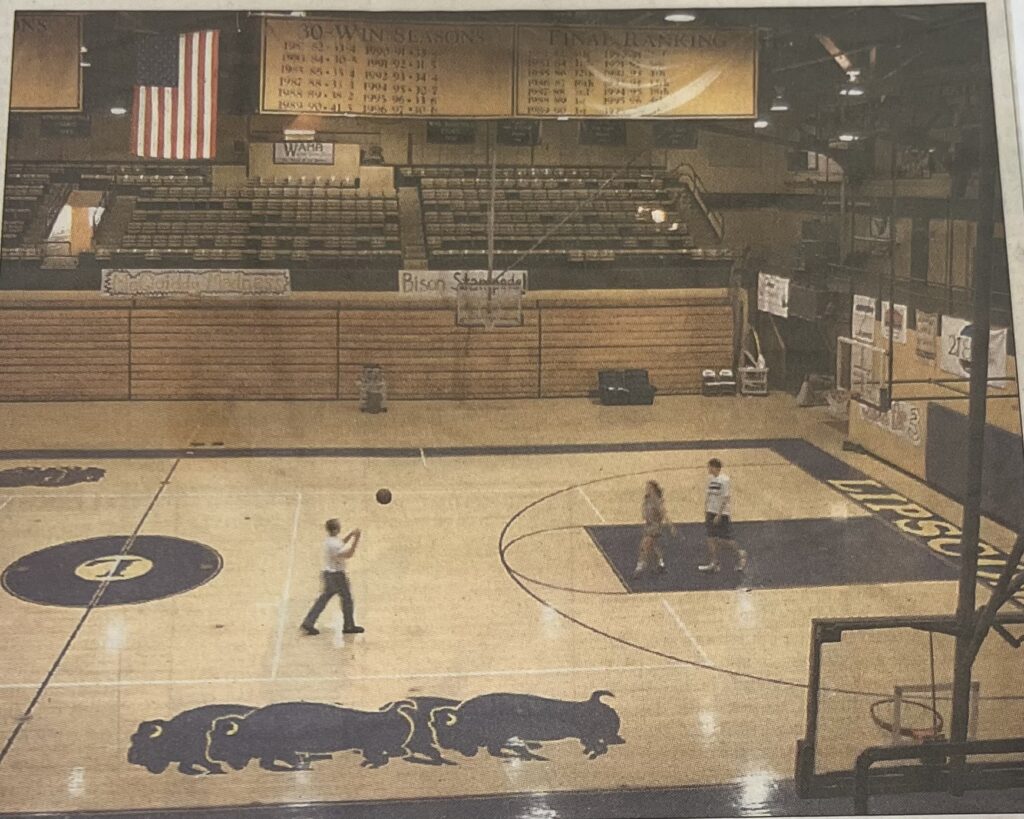
McQuiddy Gymnasium
This year marks the 25th anniversary of the opening of Allen Arena, a $16.5 million multipurpose facility that officially transformed the university’s skyline in October 2001. What began as a bold investment in the future has become the cornerstone of the Lipscomb experience, bridging the gap between a small college past and a first-class athletic future.
“It needed to be a facility that looked more like an NCAA Division 1 facility,” said Steve Potts, who served as athletic director during the arena’s high-stakes transition. “There is no bad seat now.”
The journey to Allen Arena was paved by the generosity of alumni, James.C and Linda Allen, whose then-record gift provided the primary funding for the 5,000-seat venue. For the athletic department, the building was more than just steel and brick; it was a message sent to the rest of the Nashville collegiate landscape. By moving into a facility that mirrored the standard of neighbors like Vanderbilt and Belmont, Lipscomb effectively separated itself from its NAIA roots.
Potts noted that the move immediately put the university into a new tier of recognition.
“I think the message that was trying to be sent was Lipscomb is a first-class institution,” Potts said. “It separated Lipscomb from the Treveccas or from the other NAIA schools in the area.”
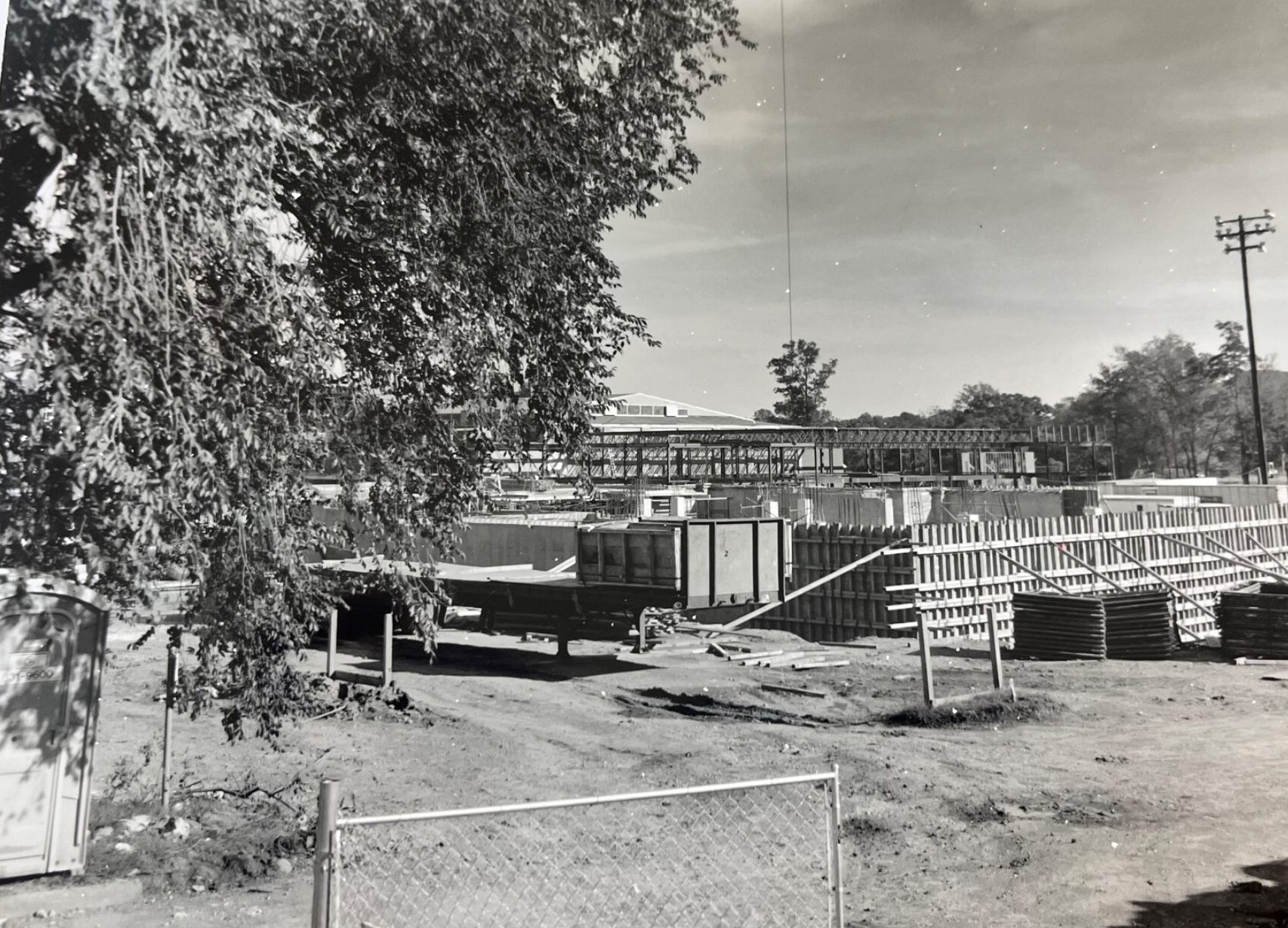
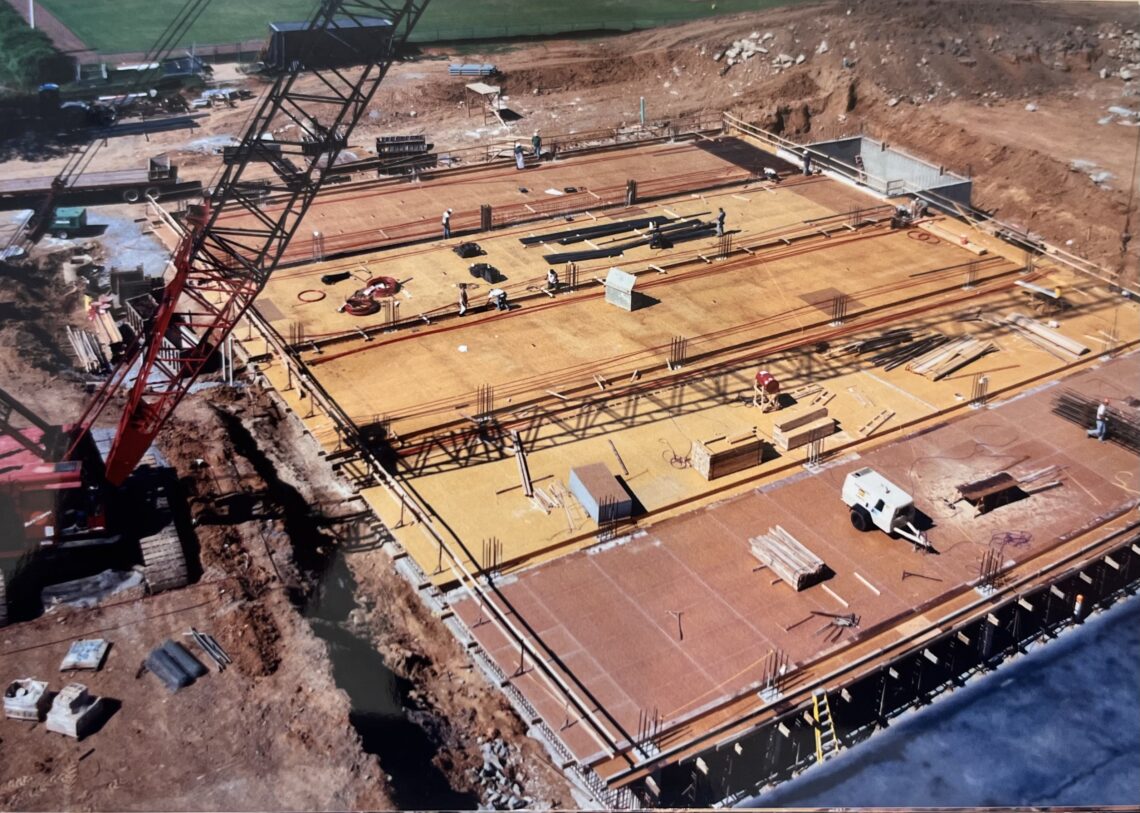
Allen Arena and parking garage undergoing construction
While the aesthetic shift was obvious to the fans, the impact on the court was even more profound. For a program striving to attract elite talent, the 115,000-square-foot facility complete with luxury suites, a 4,500-square-foot weight room, and modern locker rooms became the ultimate recruiting tool.
“Recruiting was not easy, and so we had to make sure that our facilities were as good as the other schools that we were competing against,” Hutcheson said. “We could not have the success that we had then and that we have now without the Allen Arena.” The upgrade didn’t just benefit basketball; it also provided a major factor for volleyball and cross-country athletes to choose Lipscomb over competing Division I offers.
Beyond the scoreboards and stat sheets, the arena’s first quarter-century has been defined by its role as a bridge to the city of Nashville. In its first year, the arena drew 100,000 people to campus for events that ranged from a lecture by Dell Computer founder Michael Dell to serving as a Red Cross shelter. It also allowed the entire student body to gather for chapel in one group for the first time since the mid-1960s, unifying a campus that had previously been split due to space limitations.
“That’s another thing that Allen Arena did; it gave Lipscomb an opportunity to really connect to the city,” Potts said. “There were events that were in Allen Arena that would’ve never happened on campus.”
The arena’s “baptism” in 2001 provided a moment that remains etched in the university’s collective memory. During the first men’s basketball game against the University of North Texas, the Bisons trailed for nearly the entire contest. With the clock running out, a freshman from Utah named Clayton Osborn launched a shot from beyond half-court that found the net as the buzzer sounded.
“The place was packed, students were running on the court,” Potts recalled. “I’ll never forget that as long as I live.”
As the university celebrates 25 years in its “new” home, the arena remains a testament to a period of visionary growth. While a sliced-off portion of the old McQuiddy Gym still exists nearby for intramurals, Allen Arena stands as the definitive symbol of Lipscomb’s first-class aspirations.
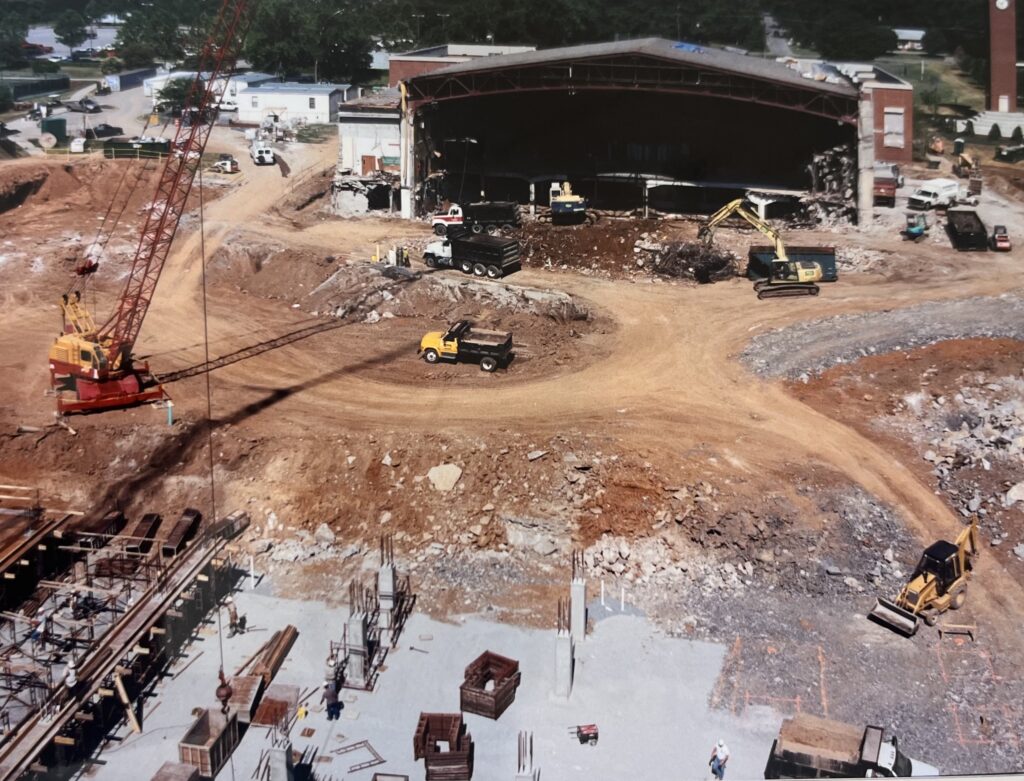
Allen Arena undergoing construction, with McQuiddy Gymnasium at the top
“When people talk about the colleges in Nashville they talk about Belmont, Vanderbilt and Lipscomb now,” Potts said. “It was just important that Lipscomb was part of the conversation.”
As Hutcheson reflected on the success of multiple Bison programs over the last quarter-century, he said the impact of the $16.5 million investment was undeniable:
“We could not have had the success that we had then and that we have now,” Hutcheson said, “without Allen Arena.”
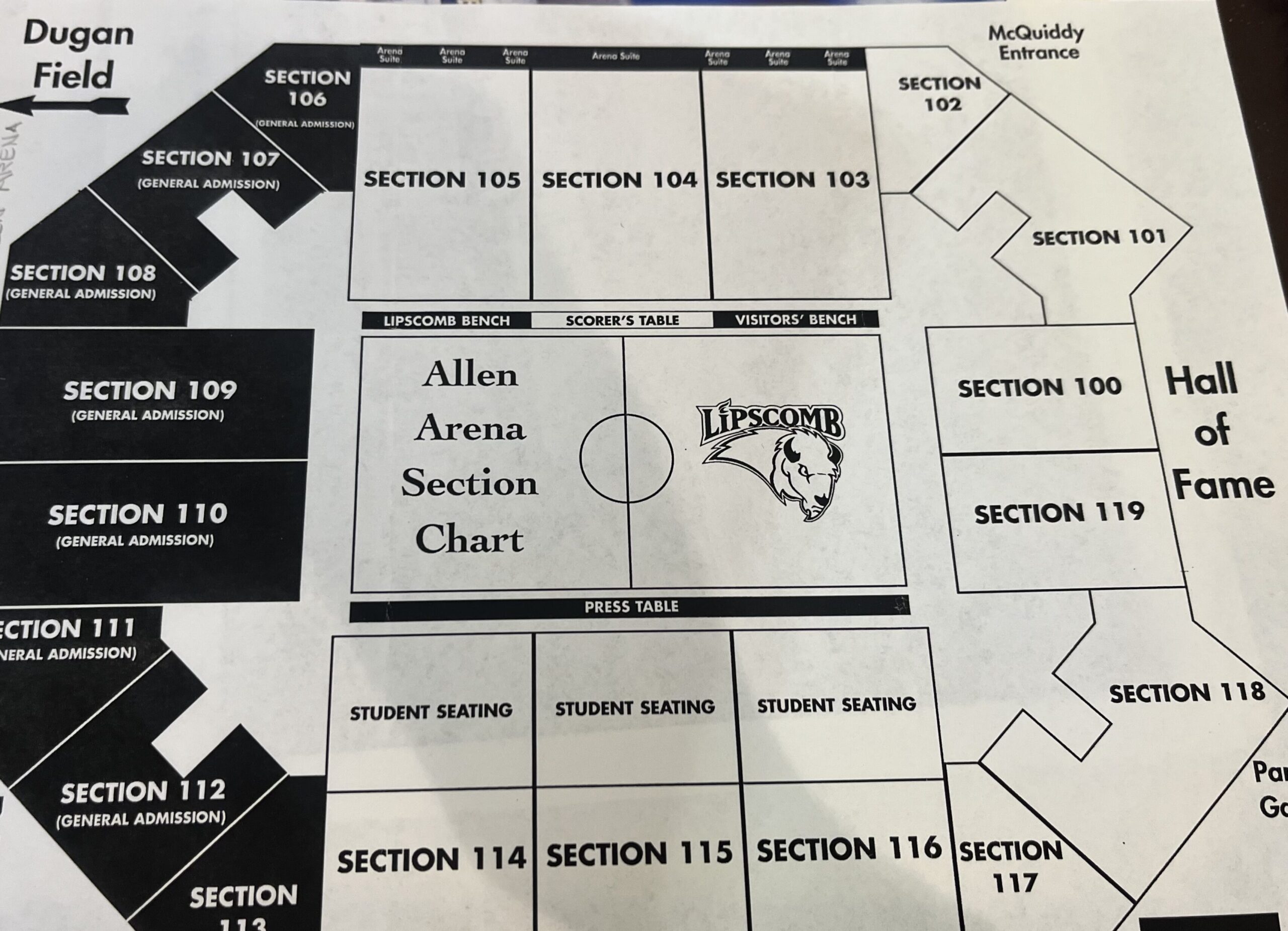
Floor plan of Allen Arena