
AASA president celebrates Filipino Heritage Month with food
Marielle Guarin, a junior management and marketing major, was born in Manila, the capital of the Philippines. She moved to Tennessee at age seven, when her mom emigrated to work as a physical therapist.
Guarin serves as president of Lipscomb’s Asian American Student Association, where her goal is to create a welcoming community on campus and share different Asian cultures with students. October is Filipino American History Month, which gives Guarin an opportunity to share her own culture.
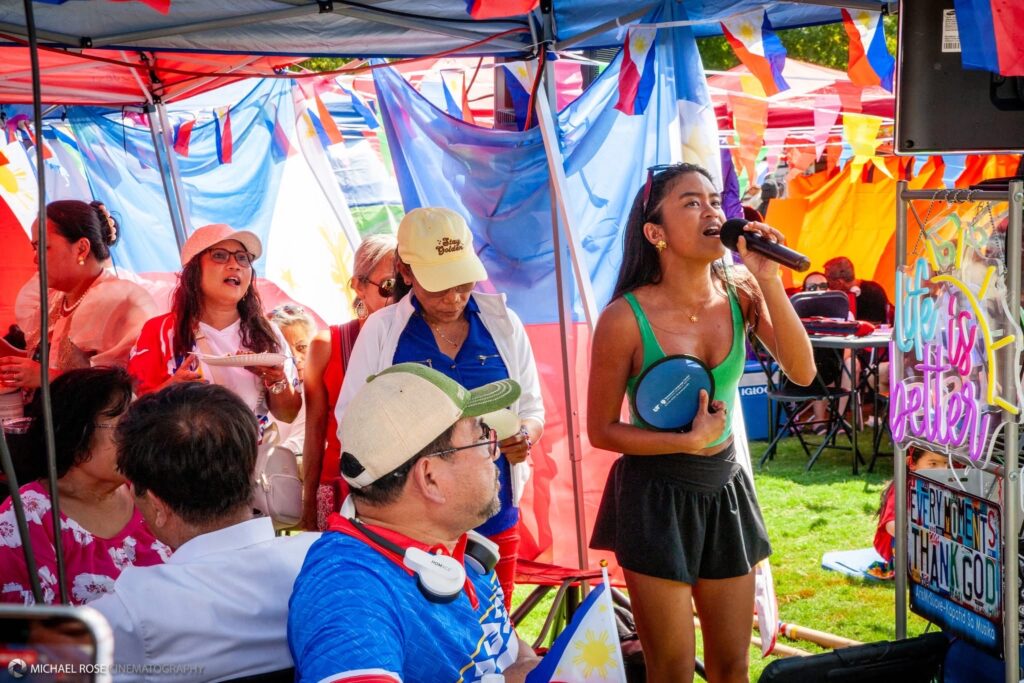
One of Guarin’s favorite parts of Filipino culture is the food. “Food is a large part of what culture is to the Philippines. Families pass down recipes, and people gather often. This is how community is celebrated in the Philippines,” Guarin said.
Both of Guarin’s parents cooked, and she recalled how special it was to learn from them as she was growing up. She was very involved in the cooking process and learned how to make many traditional Filipino dishes.
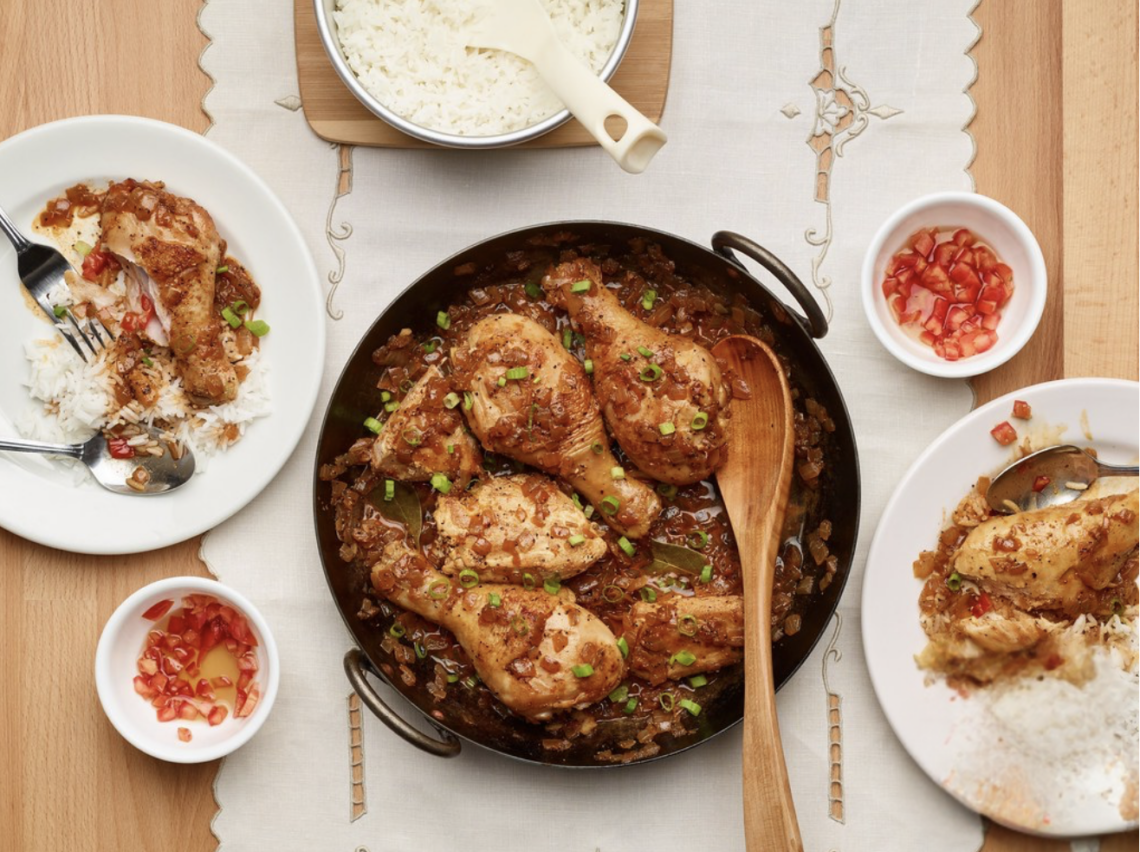
One of the most popular Filipino dishes, according to Guarin, is adobo. The soy sauce-based recipe is often made with chicken or pork, but there are many different variations.
Another popular dish is sinigang, which Guarin described as similar to a soup that tastes very tangy. Sinigang is most often described as a comfort food, and like many Filipino meals, it is paired with rice, a staple food.
Guarin mentioned that some Filipino food is also rooted in Hispanic culture. The Philippines was under Spanish colonization for more than 300 years before becoming a U.S. territory and eventually gaining independence.
One dish that is both Filipino and Hispanic is leche flan, a sweet flan covered in caramel sauce. The dessert is a very popular dish, and is often served at parties. Guarin also highlighted puto, a rice cake with a muffinlike texture usually served with cheese.
Both leche flan and puto are usually served around Christmas, which is the most popular holiday in the Philippines. The island nation celebrates early: “On September first, there are Christmas decorations everywhere,” Guarin smiled.
During the holiday season, Guarin loves the Filipino traditions surrounding parties. She said that no one asks the hosts what to bring; it’s assumed that everyone will contribute, and no one shows up empty-handed. At the end of the celebration, everyone leaves with leftovers.
“It’s a well-known thing that everyone brings a container for when the party is over,” said Guarin. “Everyone takes whatever is left and puts it into their container from home.”
Guarin said there is not much Filipino food represented in the United States, particularly in the South, compared with California or more northern states. However, she said the number of Filipino restaurants is growing, along with the representation of Filipino culture.
On Lipscomb’s campus, Filipino fashion will be taking the stage this week during the Welcome to Our World (WOW) fashion show. Students can watch the International Fashion Show in Shamblin Theater at 6 p.m. Friday.
Feature photo of chicken adobo courtesy of Flickr.