
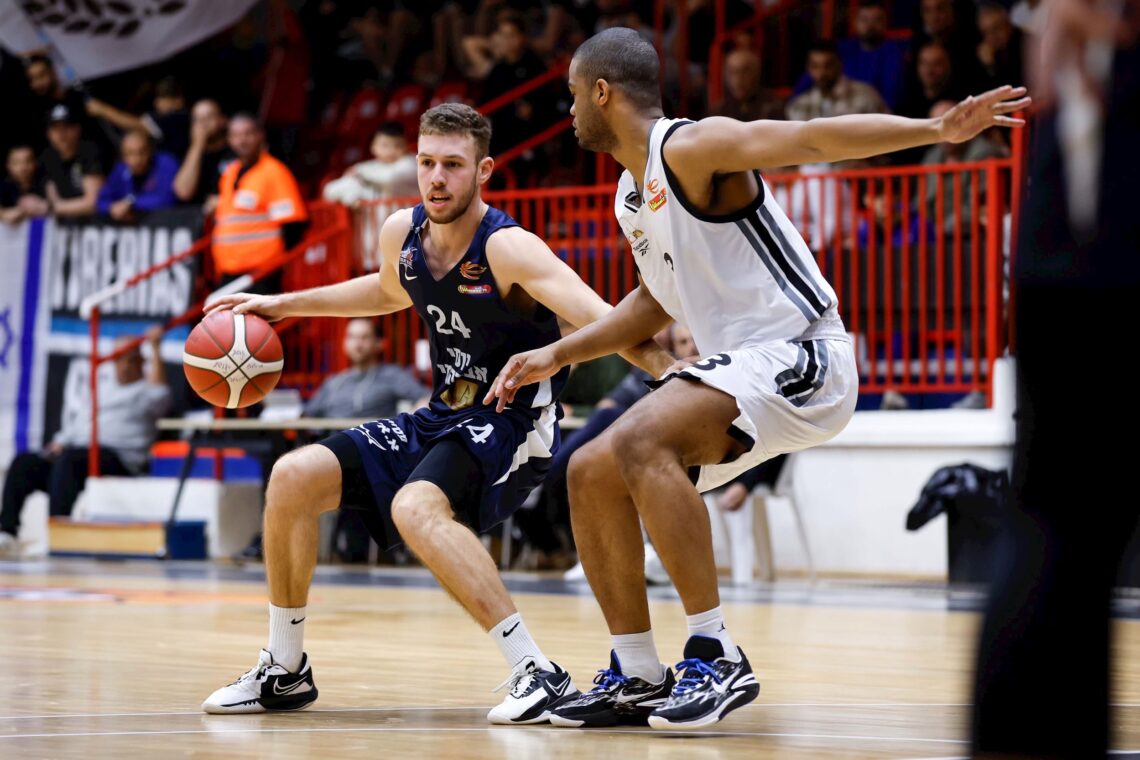
Or Ashkenazi breaks ground as one of first in new pro-to-college pipeline
Or Ashkenazi finished his freshman year at Lipscomb, playing basketball, but it looked a little different than most. Ashkenazi broke the typical freshman athlete mold, starting college at 22 years old after playing three years of pro basketball overseas.
Most athletes tend to go to college first, and then go pro, so someone doing it the other way around brings up two prevalent questions: first, why? And second, how?
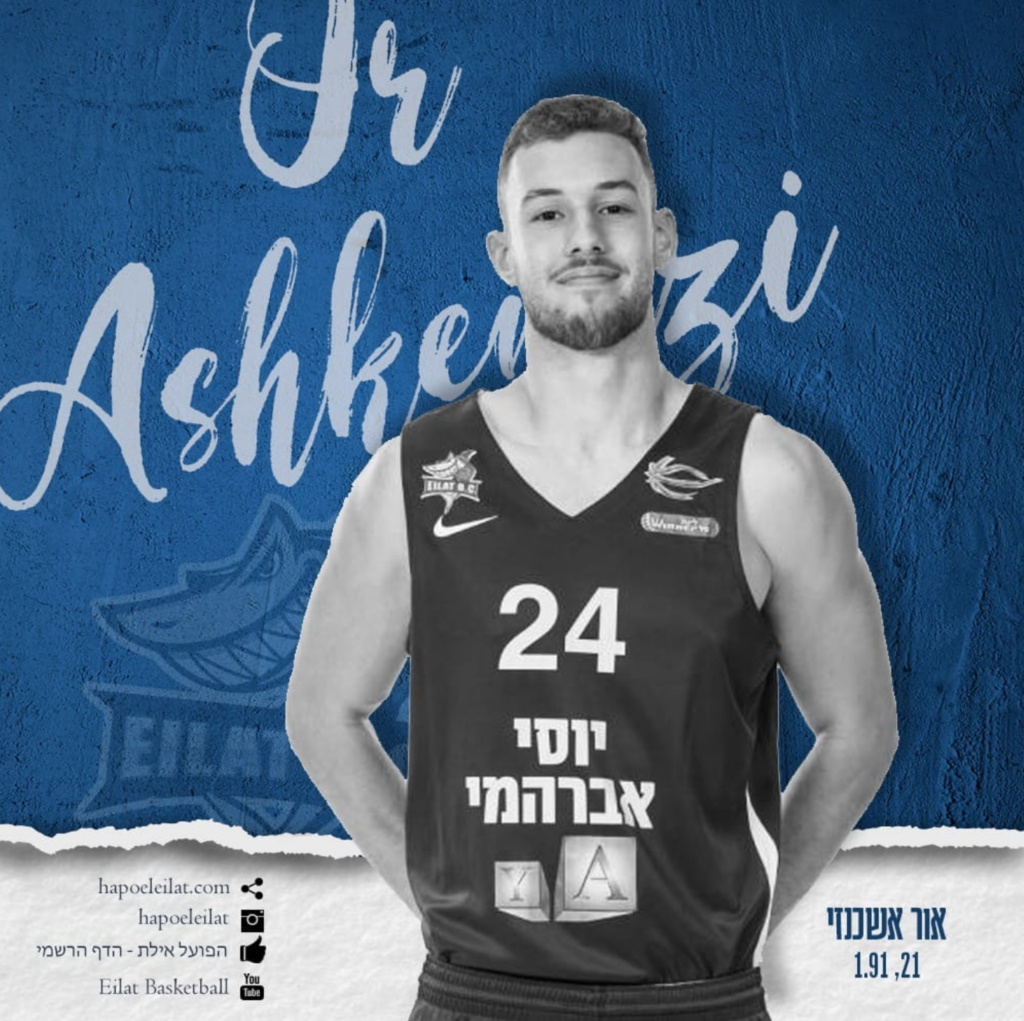
Coming to the United States from Eilat, Israel, Ashkenazi chose Lipscomb University, out of nearly 6,000 U.S. universities and colleges. Yet he came to the States after three years of professional basketball with Hapoel Eilat, a First Division Israeli pro team.
The United States’ athletics setup runs in a fairly established pipeline: college first, pro sports second. Many sports aren’t allowed to draft high school athletes — both the NFL and the NBA prohibit it, MLS only drafts college-age students and the NHL rarely ever drafts a high schooler, to name a few. Though these rules or traditions tend to cement the athletics’ channel, things are beginning to change.
Ashkenazi chose to invert the system, something he was able to do in part because of mandatory military service in Israel.
“In Israel, when you finish high school, when you turn 18, you have to go into the army and serve in the military for three years,” Ashkenazi explained. “During those three years, I wanted to keep playing, so the only option I had was to play pro during my military service.”
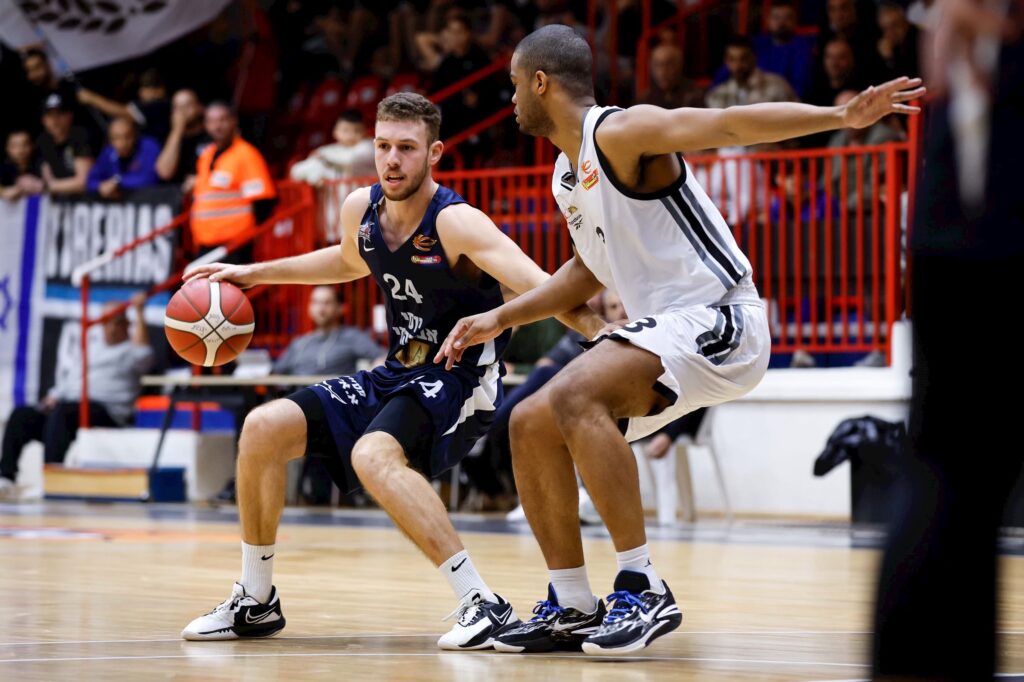
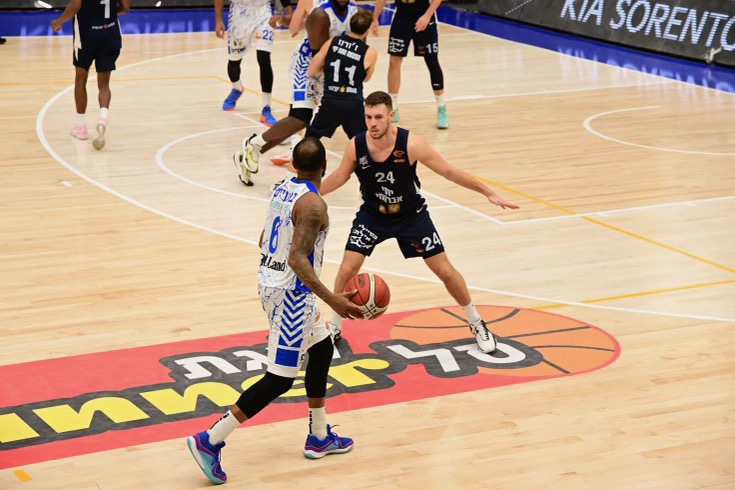
After his time in the military, though, Ashkenazi wanted to get a college degree. His family also wanted him to get one. “Especially my mom,” he laughed. But in Israel, continuing in athletics while getting an education isn’t possible.
“In Israel, you can’t combine academics with professional sports. I played First Division in Israel, which is considered a very good league around Europe,” Ashkenazi said. “I couldn’t do it, playing pro and combining academics.”
It was a different story in the United States. “Here, college athletes, that’s their main reason of playing college sports, getting a degree and [getting to] play sports at the same time,” Ashkenazi said. “So that’s the main reason I came here.”

Ashkenazi was also able to play basketball in the United States due to recent shifts in the NCAA. With NIL deals blurring the lines between professional and collegiate athletics, the NCAA recently relaxed their eligibility model in 2025, allowing former G League Ignite player Thierry Darlan to play two D-1 seasons at Santa Clara.
Allowing Darlan to play in college after two pro seasons in the G League has opened the door for other athletes. One of those is Ashkenazi.
Ashkenazi started playing basketball when he was young, following in his father’s footsteps.
“My dad was also a professional basketball player in Israel, in First Division. And since I was young, I remember listening to his stories about basketball, and watching his games. And I decided ‘I want to follow him. I want to try,’ and I fell in love with the game,” Ashkenazi smiled.
He began playing when he was six, in first grade, and hasn’t stopped. Ashkenazi was selected to play for the Under-14 Israel National Team, where he won a U14 European Championship with his team. He was then selected for the Under-16 Israel National Team.
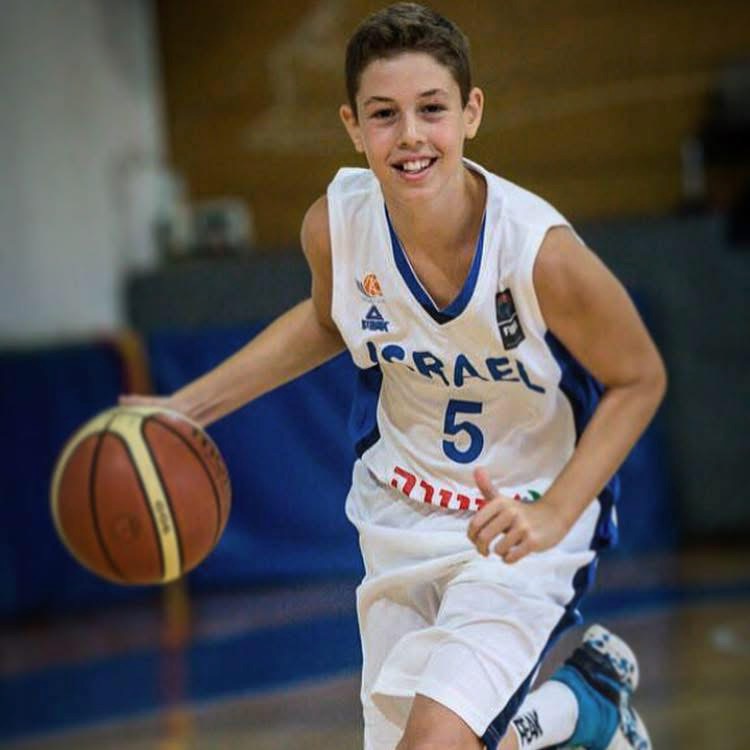
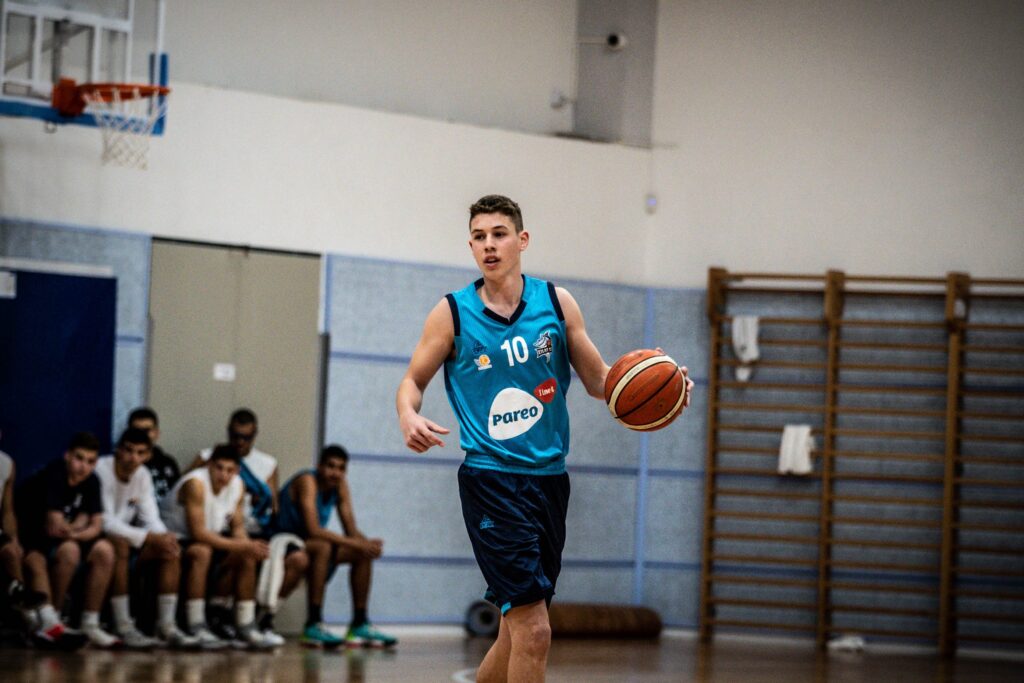
Playing on one of the national teams is selective. The best players from around the country are chosen in their age ranges, which differ based on gender and sport. Ashkenazi said it was something he was honored to have been able to do, especially more than once.
“The feeling of representing your country is something different, something that I’d never experienced before, and it made me feel proud, and grateful for the opportunity,” he said.
When he turned 18, Ashkenazi began representing his country in professional basketball, joining Hapoel Eilat in 2021, the team his father, Yuval, once played for. He played with the team until the end of their 2024-25 season.
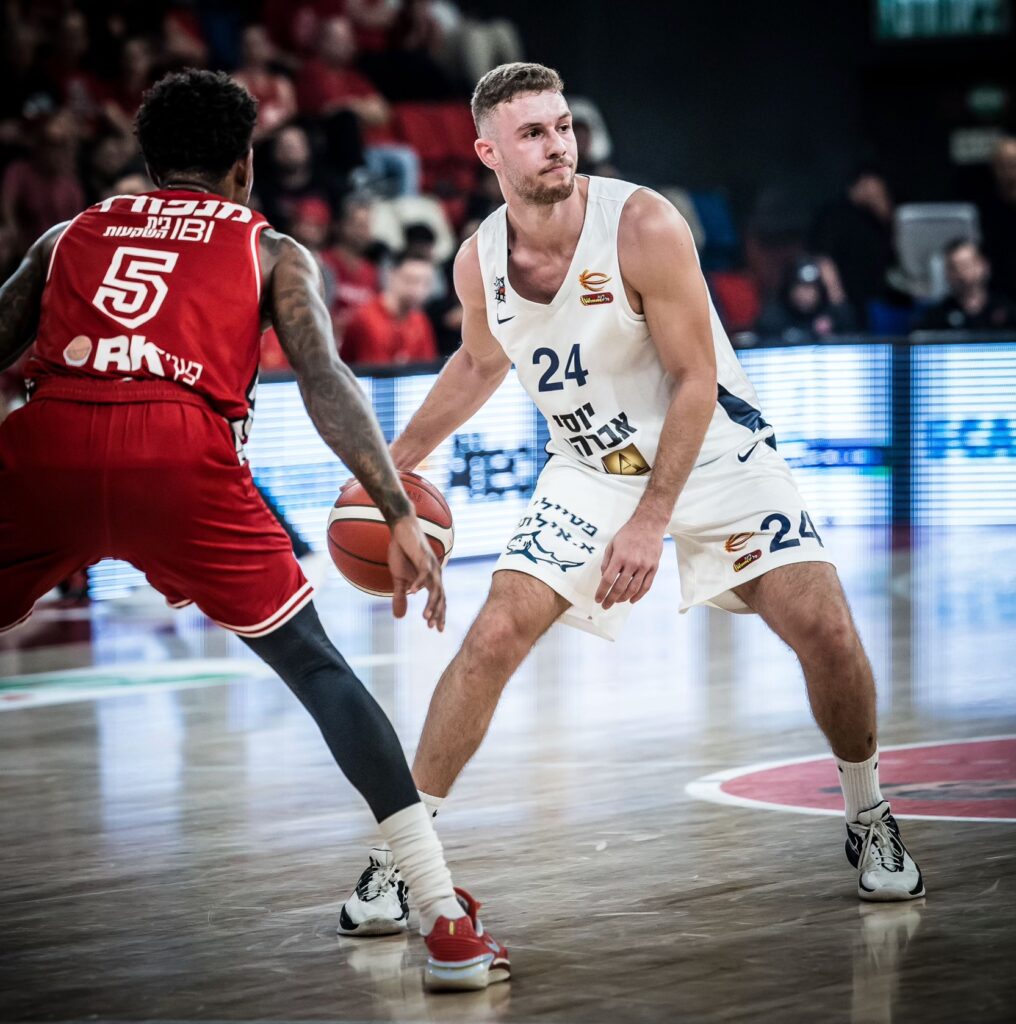
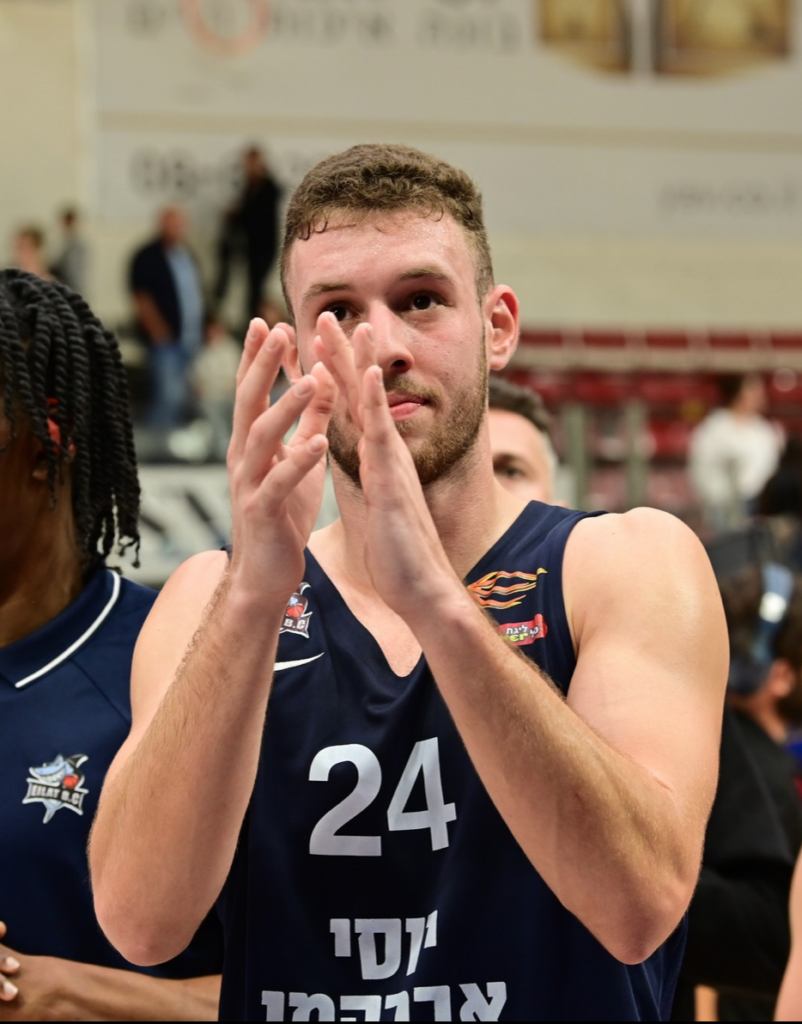
He was on the selection watchlist for the Under-20 Israel National Team while with Hapoel Eilat, but didn’t play due to a broken finger. Ashkenazi was also nominated for the 2023-24 Rising Star Award in the Israeli First Division Basketball League.
Upon his signing for their 2024-25 season, Hapoel Eilat announced that Ashkenazi, “began his career as a wide-ranging player in the team, but with the help of hard work and not a little talent, he found himself becoming a significant part of it when last season he recorded his best performance in the Premier League with 14 points against Hapoel Afula and was even a candidate for the title of Discovery of the Season.”

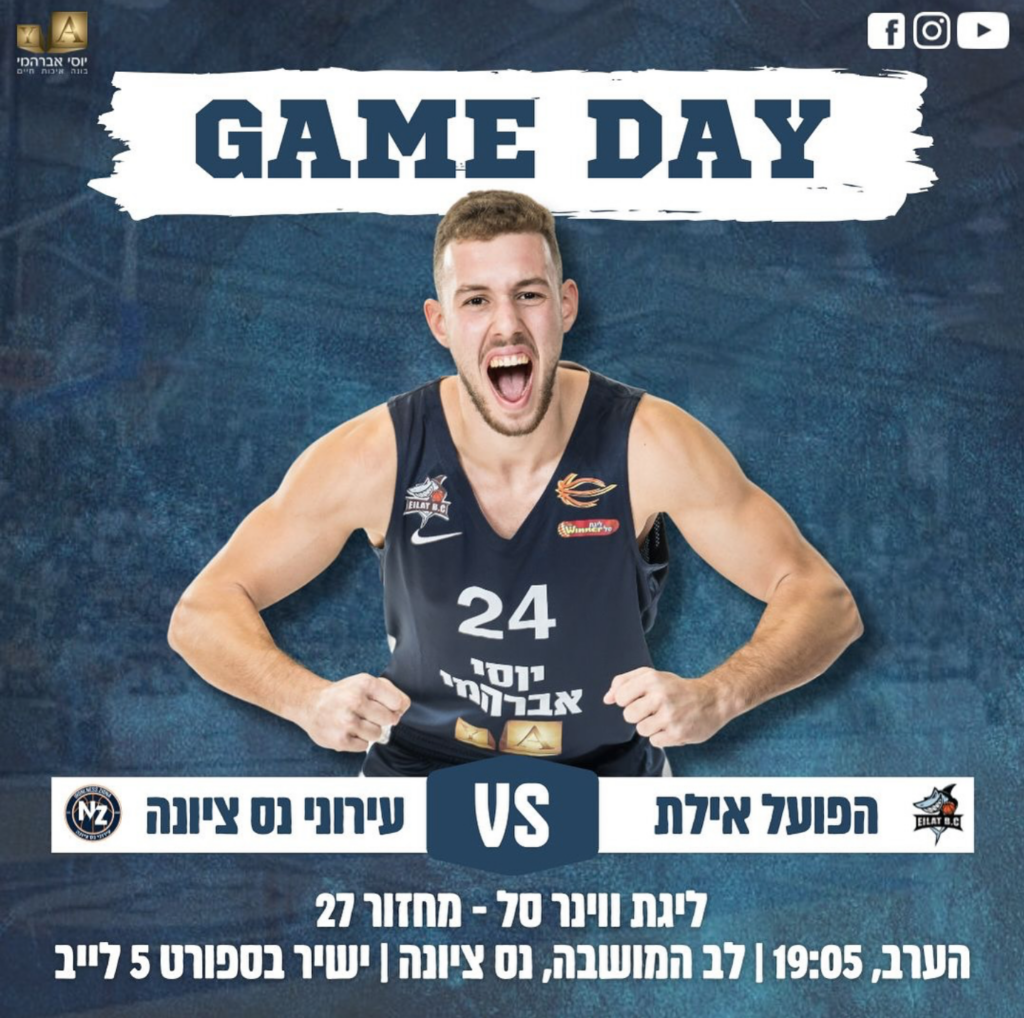
Ashkenazi was also representing his country in another way, serving in the military from 2022-25. Though the three years of service is mandatory for all Israelis after high school, for Ashkenazi, they fell during a rather difficult time for the Israeli military and people.
“I faced complicated situations during that time, the whole country did, not just me,” he said. “It was challenging, but as I told you before, about playing on the national team, it was challenging, but I’m glad I did it for my country.”
“I think Tennessee is bigger than Israel… we’re small, but we’re strong, so size doesn’t matter,” he laughed.
When his commitment was up, he was off to the United States, to get a college degree. Though he could have gone to any other school, Ashkenazi chose Lipscomb.
“When I started my recruiting journey, I had some talks with other schools also, but I think the best talk me and my agent had was with Coach Carroll and the staff here,” Ashkenazi said. “We had this great Zoom meeting and I was impressed, I felt that it was the right place for me.”
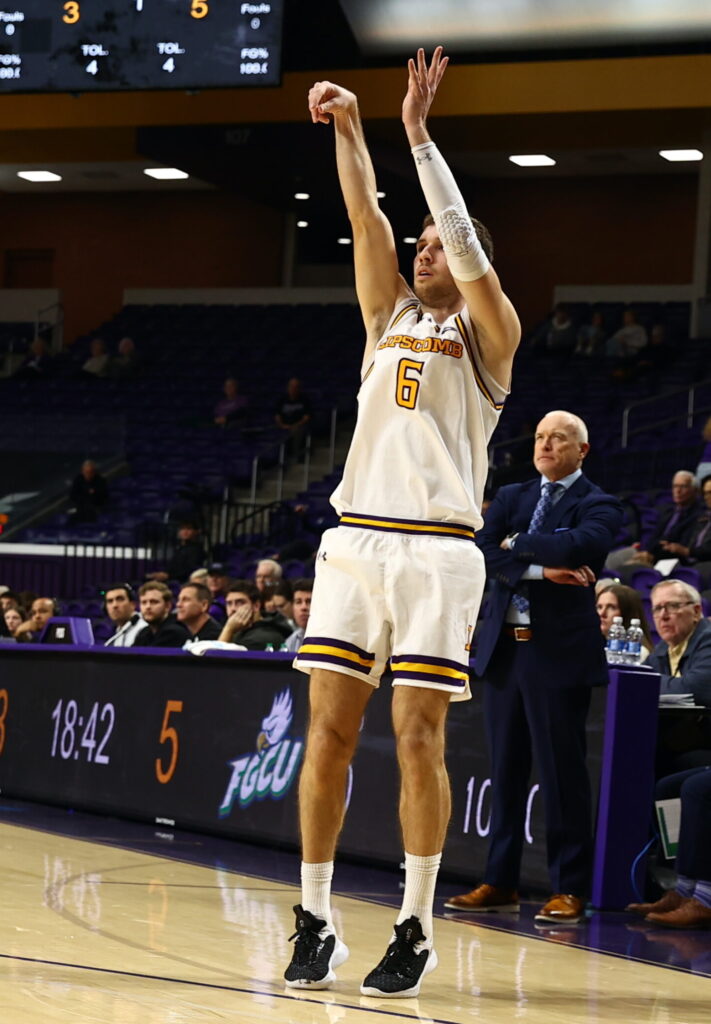
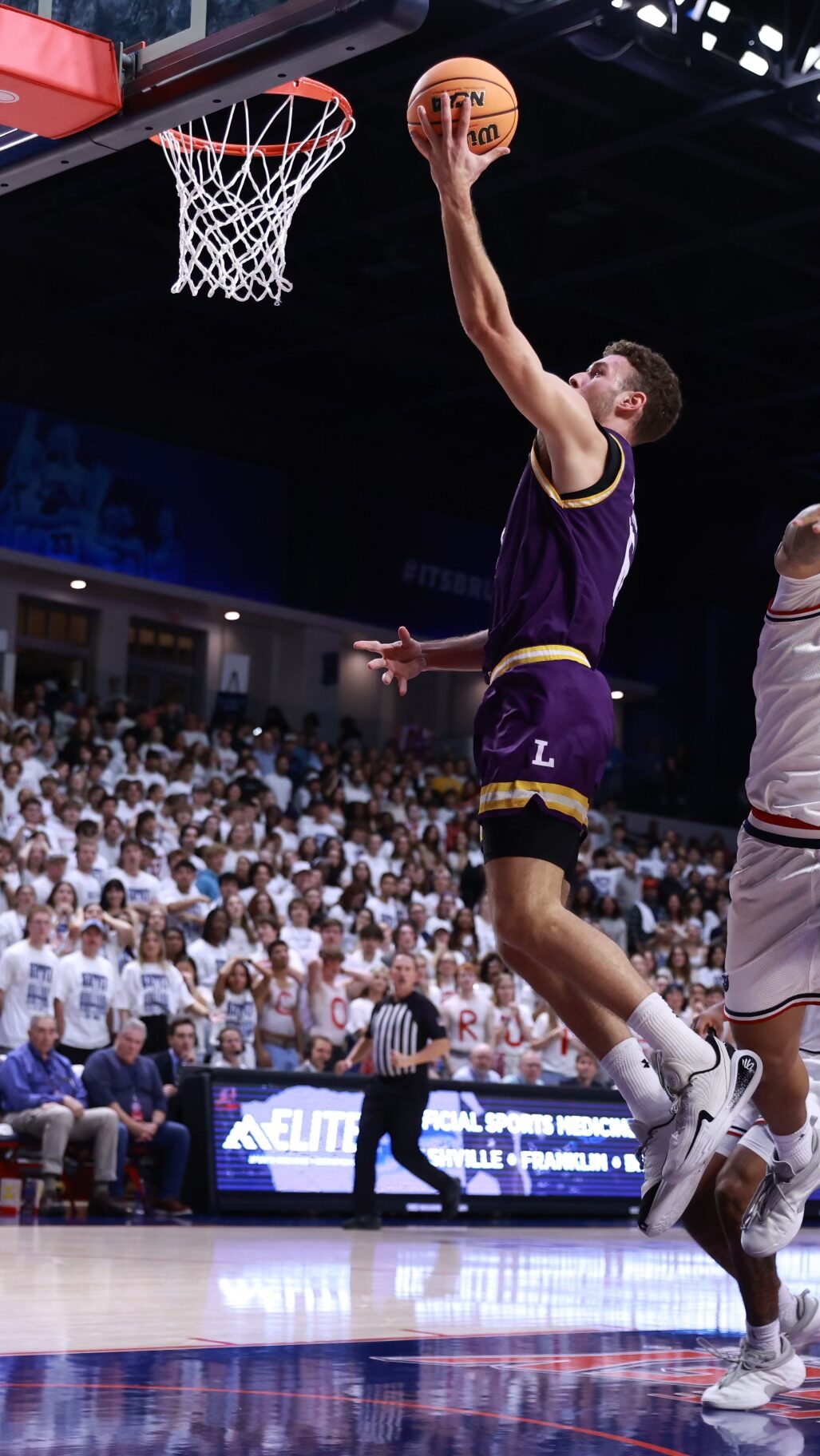
During his freshman season at Lipscomb, Ashkenazi played in 28 of the team’s 32 games, starting 22 of them. At the beginning though, it took Ashkenazi a little bit to settle in, because he missed summer workout, where the team spends two months training together and getting to know each other.
“My season ended super late, and then the previous operation with Iran happened, so I had visa issues. I got here [at the end of July], after summer workouts. So at first it was, I don’t want to say hard, but it was a little bit confusing, adjusting to everything. New culture, new place, new country — it took some time. It was tough at first, but my teammates helped me, the coaches helped me. So after one or two months I felt at home.”
The hardest part of being in the United States, Ashkenazi said, is how far away he was from his home and his family. He has one brother, Yarden, and lists both of his parents as his heroes, and the people he most admires.
“But besides that, everything is great,” he grinned. “The people are really nice, the city is great, the weather most of the time is good… Tennessee’s great.”
Ashkenazi has faced quite a few culture shocks since coming to the United States, from basketball to the weather.
“Here there’s more focus on players’ development, which is different from the overseas basketball, which is grown men playing. I feel like overseas, the whole focus is on winning, and here it’s of course winning, but it’s also players’ development and skills,” he explained.
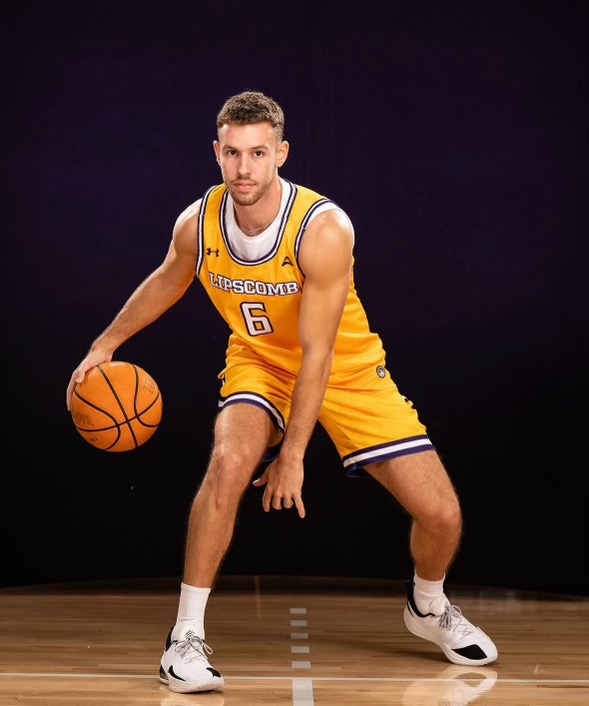

The weather has also been a wild adjustment. Eilat, the smaller Israeli city where Ashkenazi was born and raised, is in the very South of Israel. According to Ashkenazi, they don’t often see rain, let alone snow. Yet he arrived in Tennessee just six months before the largest snow and ice storm the state has experienced in decades.
“It was only my second time ever experiencing snow,” he said. “I’m not a snow person, I’d rather go to the beach and just chill,” he laughed.
Overall, though, Ashkenazi said that so far his time in the United States has been good. As far as the future goes, Ashkenazi is choosing to focus on the present.
“I’m staying [at Lipscomb] for the next year. My goal is to be the best version of myself and contribute for the team’s success, do whatever the coaches want me to do,” he said. “I’m not thinking about the far future. I’m just focusing on the next season, about myself, about helping the team… there’s plenty of time ahead. Right now I’m just trying to focus on today.”
For now, he plans to continue to work on basketball, while also enjoying the United States. “I want to explore around the States,” he said. “I’ve been to New York, I’ve been to Florida last week, but that’s it.”
No one knows what the future will bring, but Ashkenazi is certain of one thing — he plans to enjoy it.
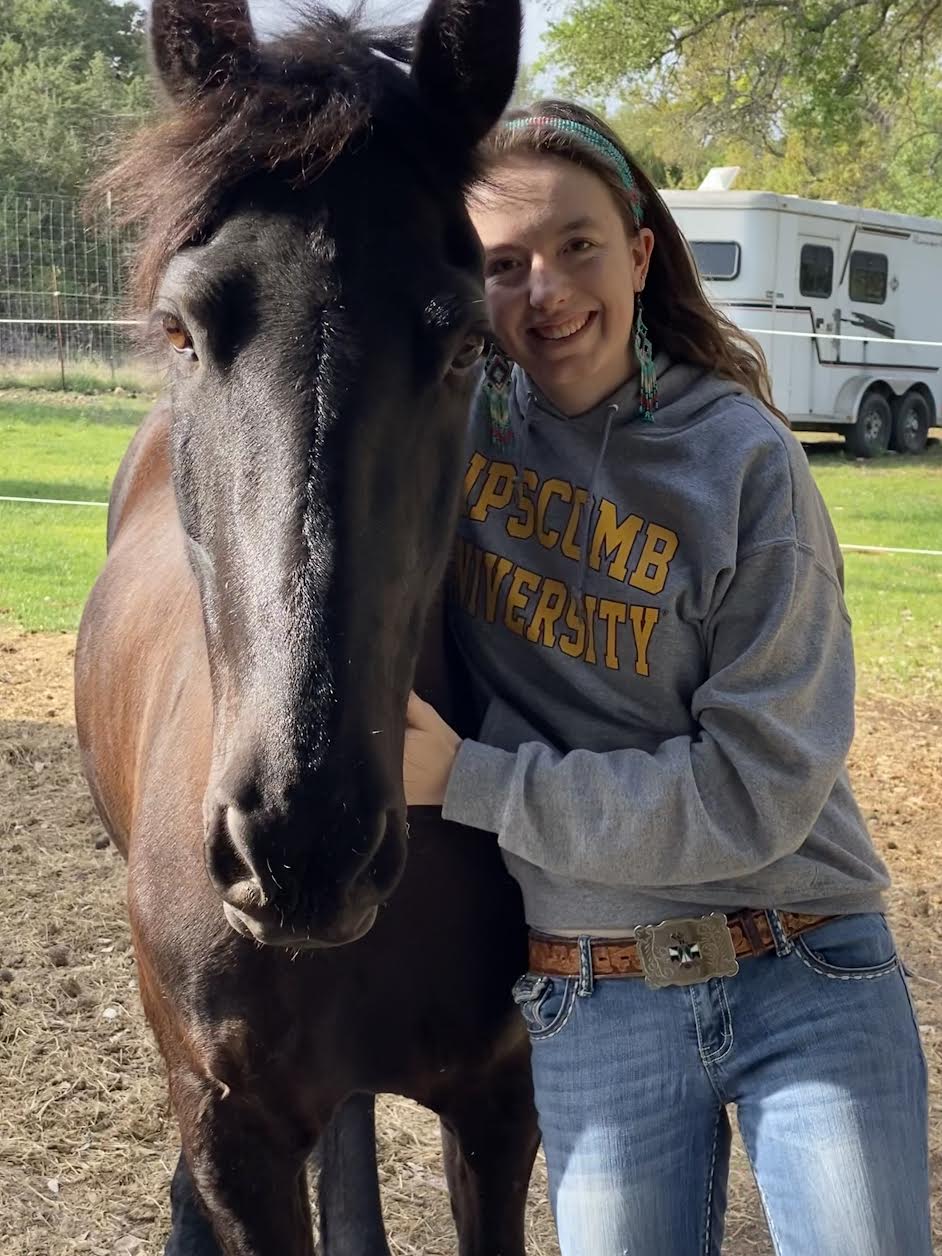
Micah Barkley
Micah Barkley serves as Herd Media's editor-in-chief and chief sports photographer. She is a senior Journalism major with a minor in German and a passion for photography. This is her fourth year on Herd Media’s staff, having started as an assistant editor, then becoming the features editor, before being promoted to editor-in-chief. Outside of writing and learning languages, she enjoys riding horses, music, basketball, swing dancing and line dancing, and spending time with her friends, among other things. She has writing experience with The Numismatist – a publication of the American Numismatic Association – and The Williamson Scene and is an aspiring author with two books currently published under the pen name Summer Ryland. When not at Lipscomb, she lives on a communal cattle ranch in the great state of Texas.