

Radium Girls: a tragic tale finds new life in the spotlight
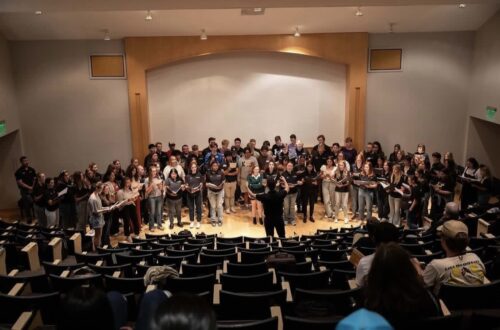
Shedding light on injustice, Lipscomb University’s theater department aims to tell the forgotten story of the 1920s Radium Girls — women who suffered at the hands of their employer.
The play follows Grace Fryer, portrayed by Anna Jones, an 18-year-old dial painter who worked for the United States Radium Corporation during World War I. The company used radium to create glowing paint for watch dials and other military equipment, and workers were responsible for painting the tiny numbers on watch faces with this luminous substance. They were instructed by leadership to put the paintbrushes between their lips to create a finer point for a more precise application. Unbeknownst to them, each time they did so, they ingested small amounts of radium that slowly poisoned their bodies.
Years after leaving U.S. Radium, Grace began experiencing severe jaw pain that she thought was just a tooth ache. Her doctor later confirmed that these symptoms were likely caused by radium exposure from her time at the factory. She, along with other women, suffered devastating health effects; many saw their life expectancy reduced from years to months.

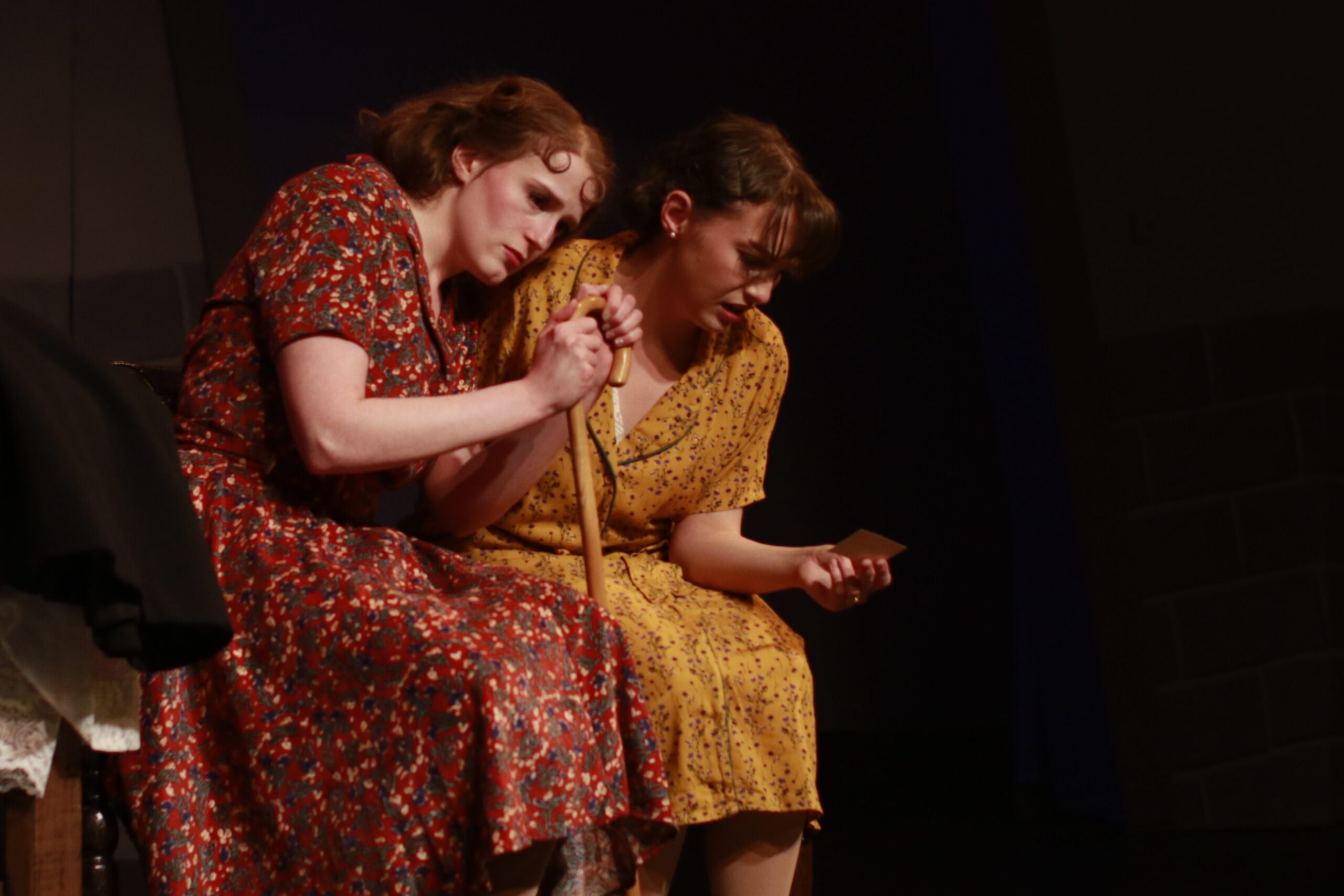
Determined to seek justice for the women poisoned by radium, Grace confronted the company’s leadership, who denied any connection between toxic chemical exposure and the workers’ illnesses. Grace and other affected women fought to expose U.S. Radium and its corruption. After a series of lawsuits, the company eventually settled with the women who had been harmed, setting a precedent for workers’ rights and accountability.
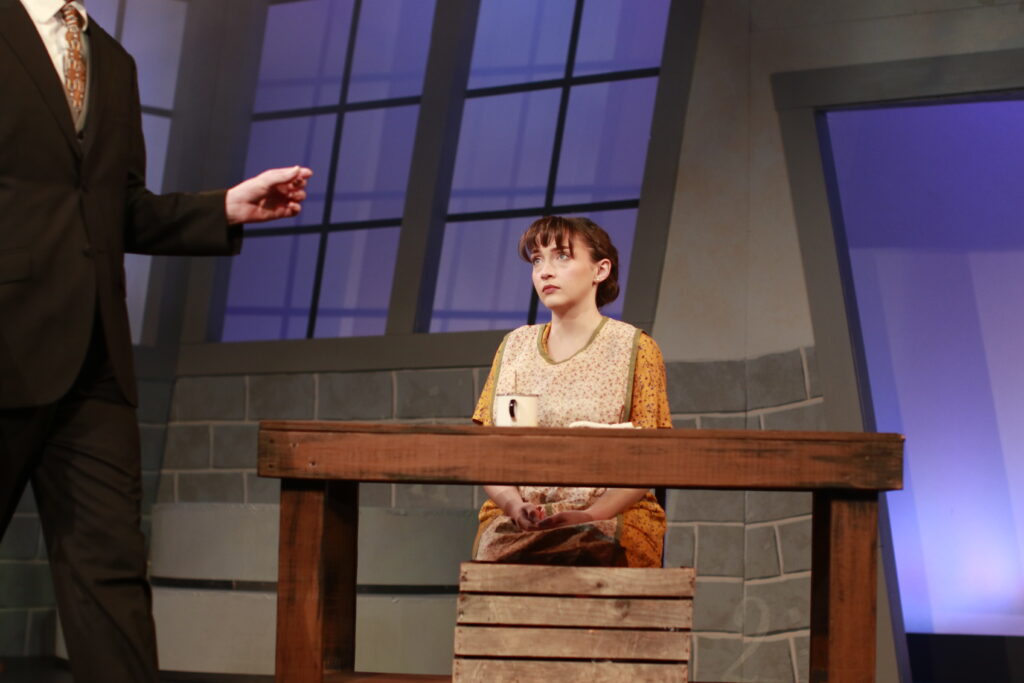
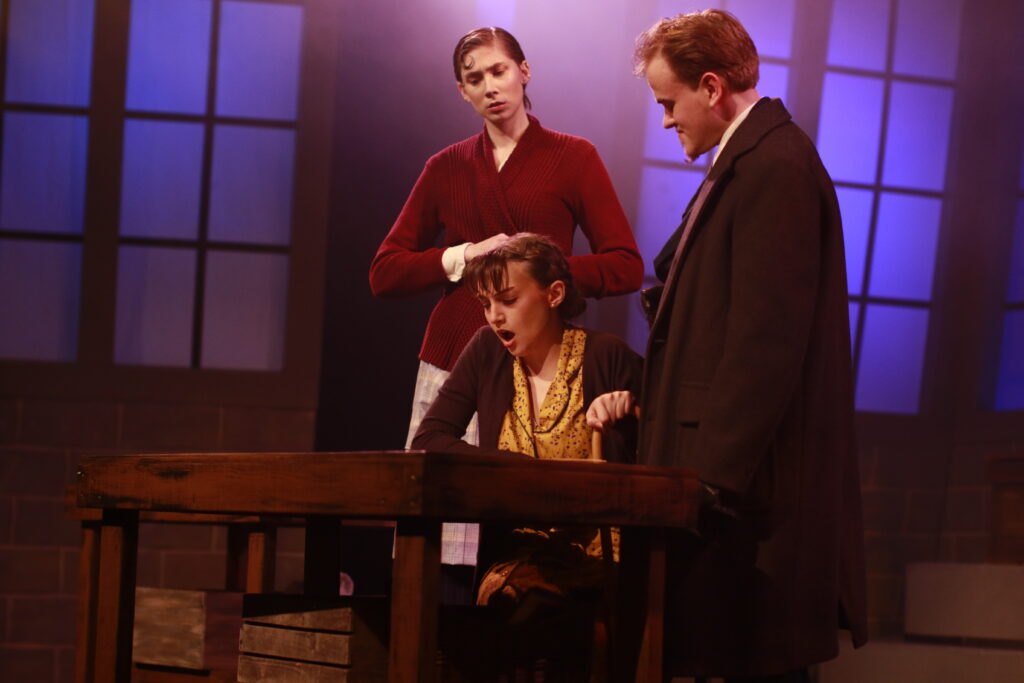
Lipscomb’s production of Radium Girls is both inspiring and powerful, using creative staging, historically accurate costumes and dramatic lighting of foggy red and green hues to transport the audience into the life of Grace Fryer and the atmosphere of the 1920s. The cast brings the girls’ story to life by highlighting not only their suffering but also their courage. The play serves as a reminder of the importance of standing up against injustice and sparks conversations about workplace safety.
Decades later, the voices of the courageous women are still being heard.

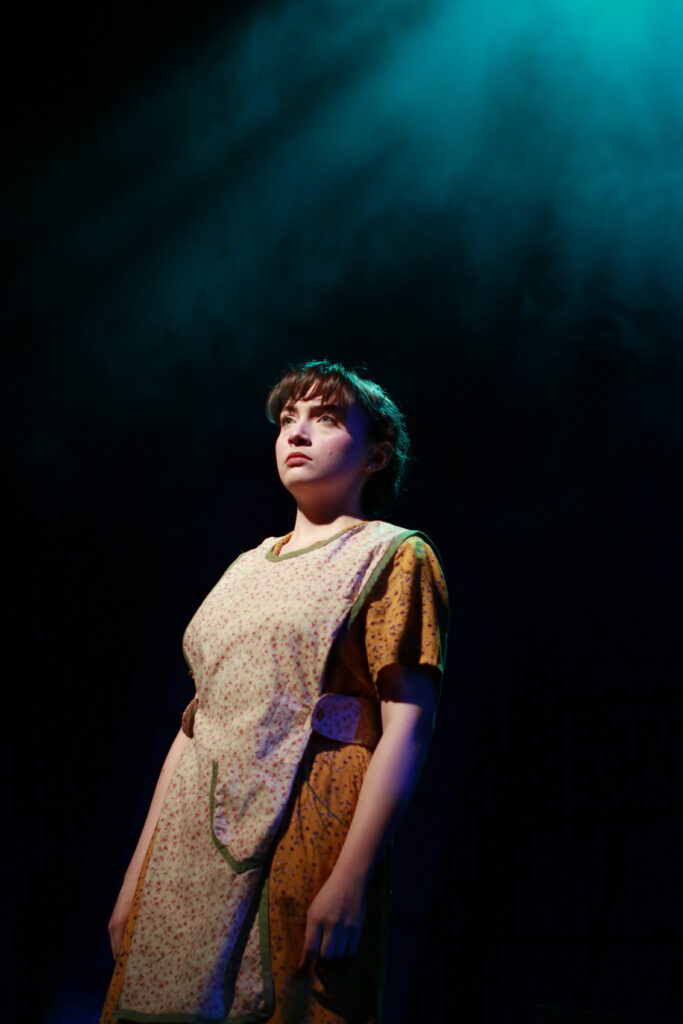
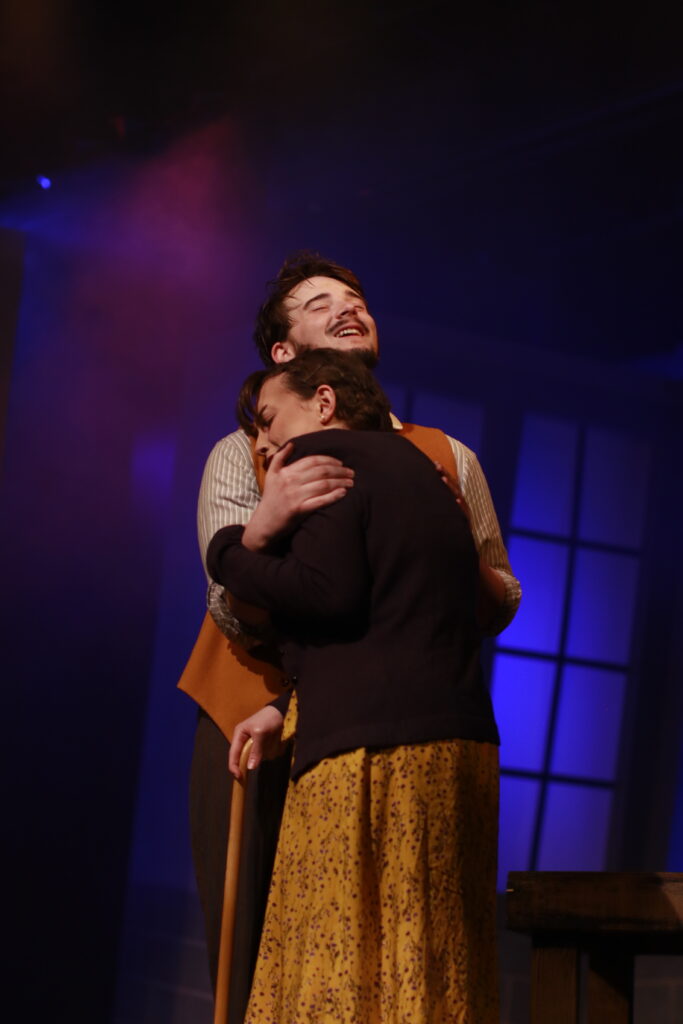
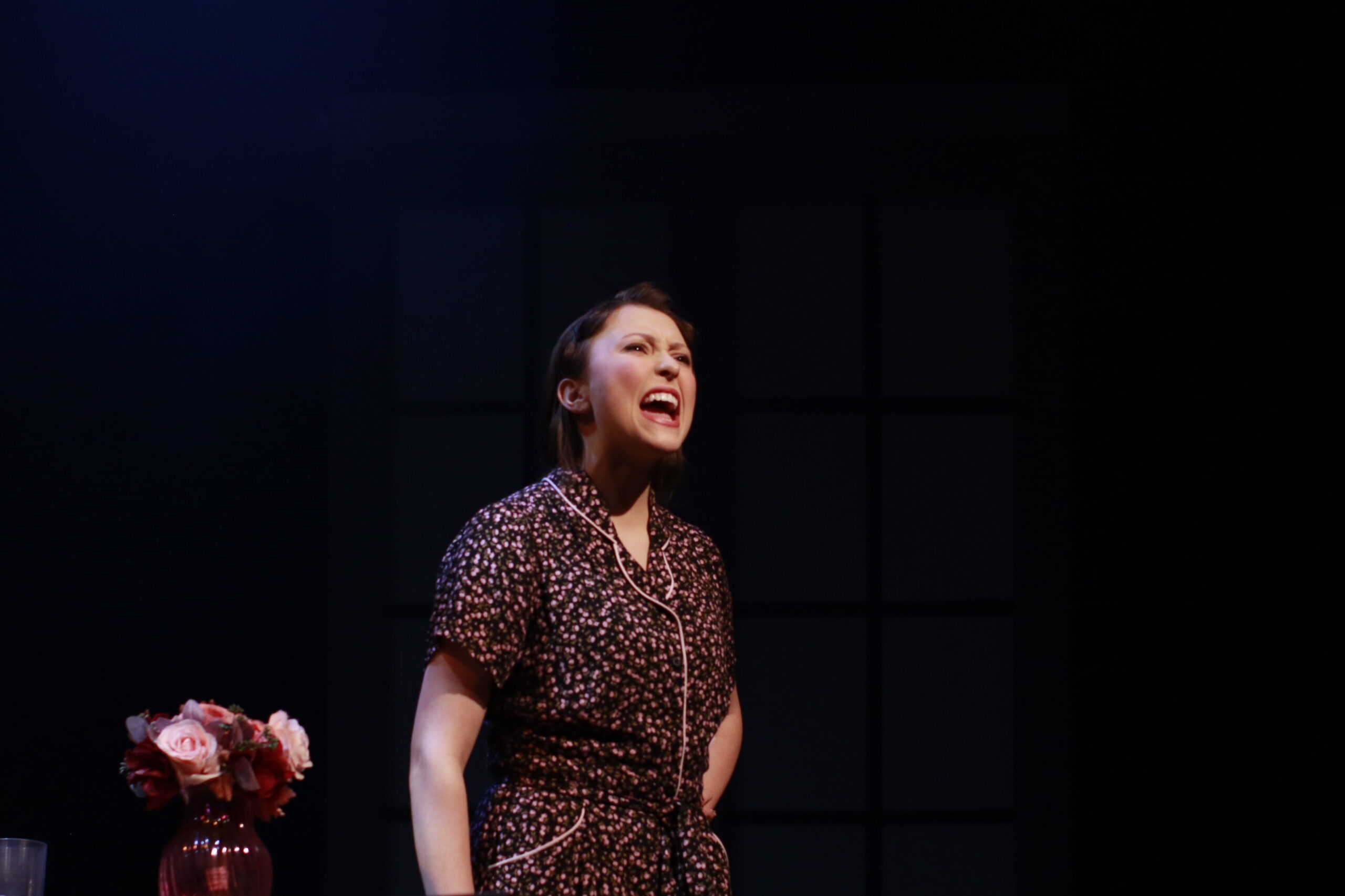

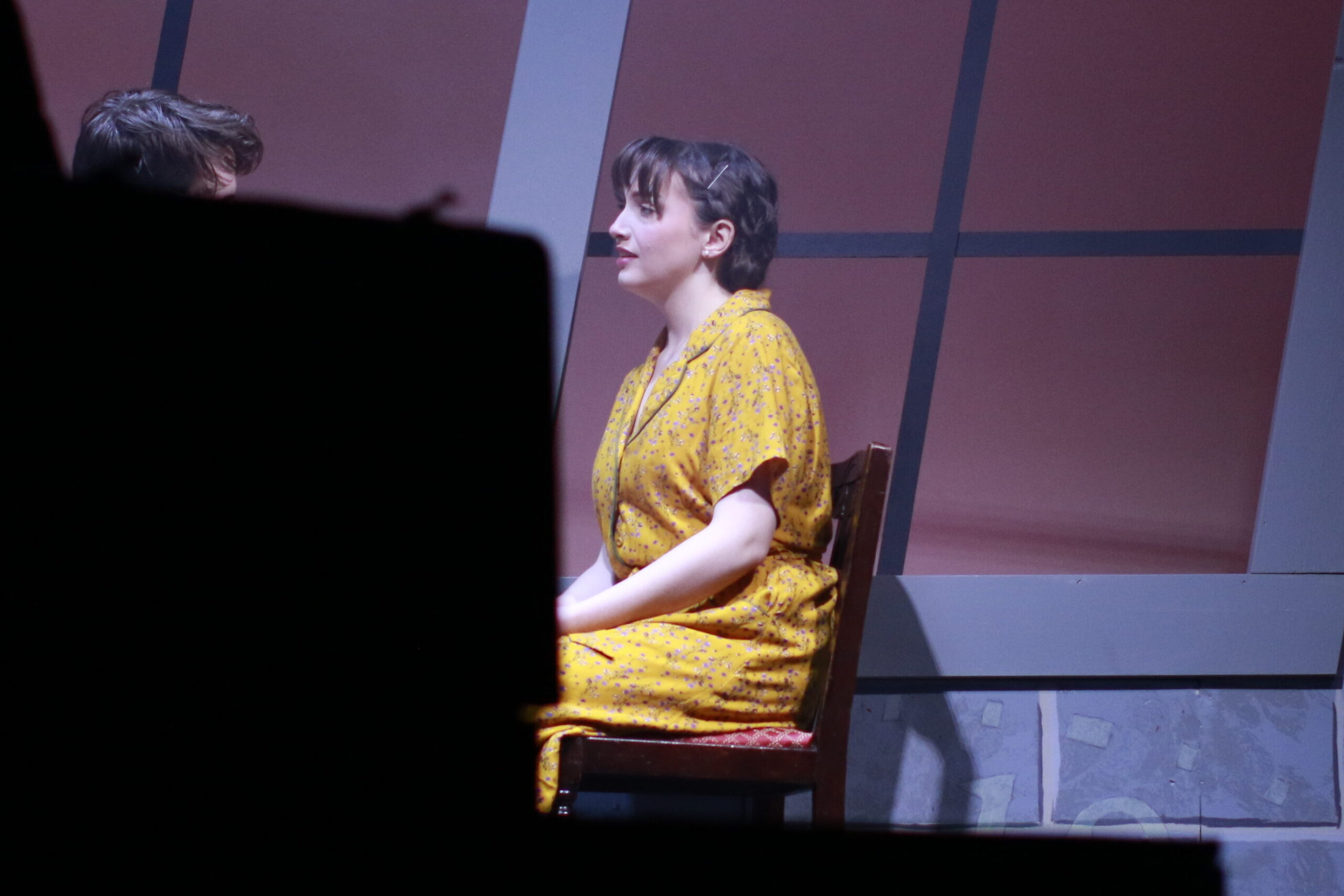


Photos taken by Madelyn Paul

Madelyn Paul
Madelyn is senior Public Relations major from Nashville Tennessee. She joined the Herd Media team as a photographer and journalist. In her free time she loves to read, practice her photography skills and spend time cuddling her cat Kenny.