
2026 and then: Junior college DLC became four-year school in historic shift 80 years ago
Long before Lipscomb offered doctoral degrees or professional programs in pharmacy and public policy, it was a small junior college with a vision.
In 1946 Lipscomb made a huge change to the school by adding a junior year followed by a senior year in 1947. This would make the institution a four year school.
The decision to become a four-year institution reshaped everything at Lipscomb.
“Prestige-wise, it was a better move,” said Craig Bledsoe, provost and chief academic officer from 1997 to 2022 “It allowed the university to grow its programming and improve its academic reputation.” Bledsoe, now the director of the Ph.D. in Leadership and Policy studies program, is one of the many faculty whose careers were shaped by a decision Lipscomb made decades ago.
The transition marked a defining chapter in the university’s history. It opened doors to expanded programming, stronger faculty recruitment, and increased financial sustainability. It set the stage for what Lipscomb has become today.
“Lipscomb couldn’t have added the programs had it not changed from two years,” Bledsoe said. The university now offers a wide variety of undergraduate and graduate degrees. This includes pharmacy, MBA programs, and doctoral programs in things like public policy and even archaeology.
For faculty like Bledsoe, the transition was personal.
“I wouldn’t have come here if it was a two-year school,” he said.
Randy Bouldin, dean of the College of Liberal Arts and Sciences, reflected on how the decision was much deeper than finances.
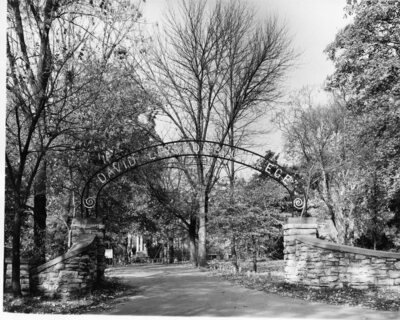
“The goal of the university was always to be better citizens and Christians,” he said, “starting with David Lipscomb himself.”
David Lipscomb’s vision was to have academic excellence while also allowing students to live out Christ mission. With the expansion, there were more ways it could be lived out.
“The more students we can serve, the more we can walk out the mission of David Lipscomb,” Bouldin said. “It’s always been intentional. It still unfolds today.”
The shift allowed Lipscomb to expand beyond undergraduate education. Graduate and professional programs are now a huge part of the University’s identity. Each program added has strengthened the school’s academic reputation.
While the University continues to grow, the original decision still remains clear. Decades later, thousands of undergraduates will spend four years shaped by the same mission that started with David Lipscomb himself.